HSN Code for Artificial Jewelry & GST Rates in India 2025
Understanding the HSN Code for Artificial Jewelry: A Complete Guide
Hey there! If you’re running an online store selling artificial jewelry, you’ve likely stumbled across terms like HSN codes and GST rates more times than you’d like. They might not be the most glamorous part of your business, but they’re crucial for keeping everything legal and running smoothly. In this article, I’m diving deep into the HSN code for artificial jewelry, covering what it is, how it works, the tax percentages involved, and all those little details that make a big difference. By the end, you’ll feel like a pro, ready to publish this on your website’s article section to inform your customers and streamline your operations. Let’s get started!
What is Artificial Jewelry?
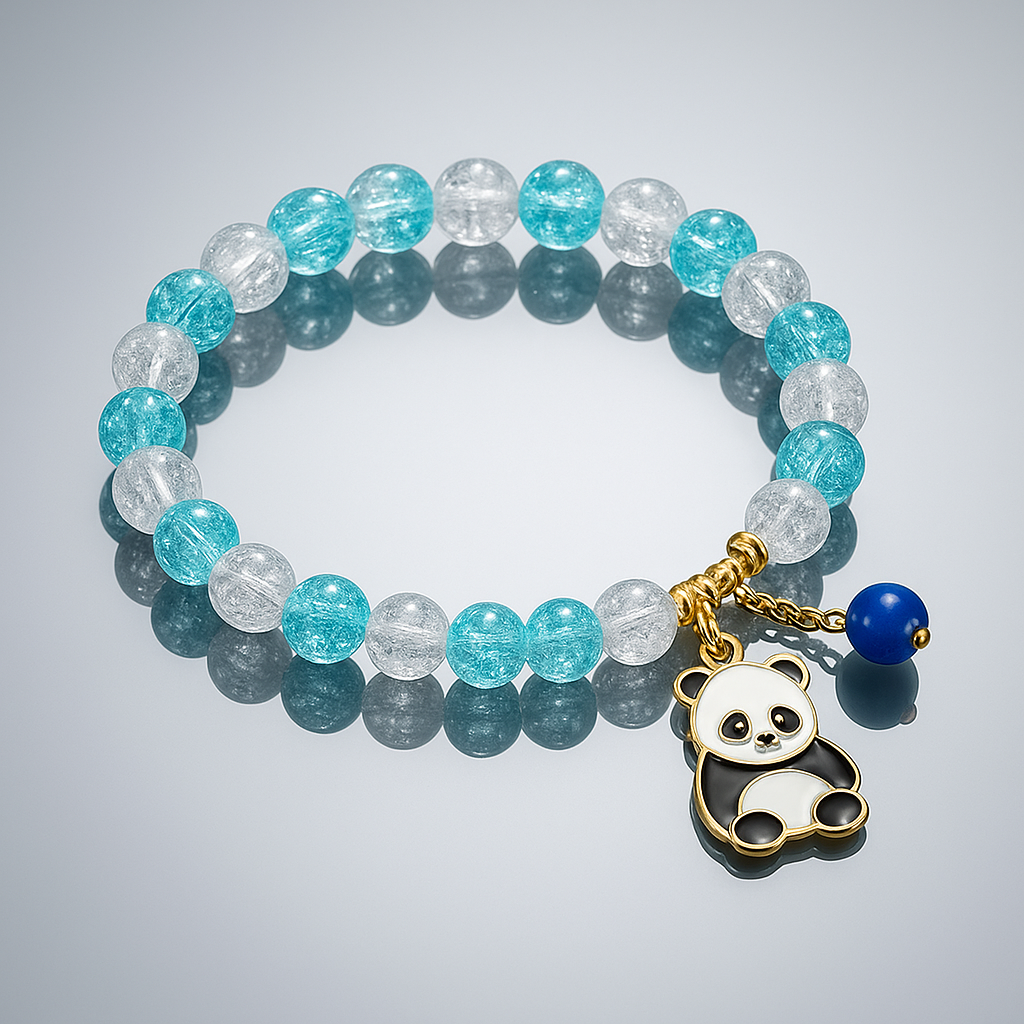
Before we get into the nitty-gritty of codes and taxes, let’s talk about what artificial jewelry actually is. It’s the fun, affordable stuff that lets you switch up your style without emptying your wallet. Artificial jewelry, also known as imitation or fashion jewelry, is made from non-precious materials like brass, copper, nickel, or alloys, often plated with gold or silver tones. These pieces might be adorned with glass beads, synthetic stones, acrylic, plastic, or even fabric elements. Unlike gold or diamond jewelry, they’re not meant to last a lifetime, but they’re perfect for daily wear, parties, or matching that trendy outfit.
In India, where HSN codes and GST are a big deal, artificial jewelry is a massive market. From traditional jhumkas to modern minimalist necklaces, the variety is endless, and online stores like yours are making it easier for customers to access these pieces. Fun fact: places like Jaipur and Mumbai are hubs for crafting artificial jewelry, blending traditional artistry with contemporary designs. For example, German silver jewelry—an alloy of copper, zinc, and nickel—falls under this category, as do those colorful plastic bangles kids love. Highlighting these stories on your store can make your products feel more personal and authentic to customers.
Why does this matter for HSN codes? The materials and craftsmanship determine how your products are classified for taxes and trade. Misclassify a piece, and you could face penalties or delays. But don’t worry—I’ll walk you through it all.
What Are HSN Codes and Why Do They Exist?
Let’s break down HSN codes in a way that’s easy to grasp. HSN stands for Harmonized System of Nomenclature, a globally accepted system for classifying goods. Developed by the World Customs Organization (WCO) in 1988, it’s used by over 200 countries to standardize trade. Imagine if every country had its own way of naming products—exporting a necklace would be a nightmare! HSN codes solve this by assigning a unique code to every type of good, making international trade smoother.
In India, HSN codes are a key part of the Goods and Services Tax (GST) system, introduced in 2017. If you’re selling artificial jewelry online, you need to include these codes on invoices, tax returns, and even during shipping. The codes are typically 6, 8, or 10 digits long, depending on the level of detail required. The first two digits indicate the chapter (like Chapter 71 for jewelry-related items), the next two specify the heading, then sub-heading, and so on.
A small but cool detail: HSN codes evolve. The latest version as of 2025 is HSN 2022, which includes updates for new products like sustainable goods or tech items. For artificial jewelry, this means clearer distinctions between natural, synthetic, and imitation pieces.
Why should you care? Using the correct HSN code ensures compliance, avoids penalties, and helps with pricing (since taxes are factored in). Plus, it can boost your online store’s SEO—customers searching “artificial jewelry HSN code” might find your article and shop with you. Before HSN, India used systems like the Central Excise Tariff, which caused confusion in global trade. HSN streamlined everything, making your life as a seller easier.
The HSN Code for Artificial Jewelry
Now, let’s get to the main question: what’s the HSN code for artificial jewelry? It’s primarily **7117**, which covers “imitation jewelry.” This includes pieces made from base metals, whether or not plated with precious metals. Let’s break it down further:
- **7117 19**: Imitation jewelry of base metal, whether or not plated with precious metal (excluding cuff links and studs). Think necklaces, bracelets, or earrings made from brass with gold plating.
- **7117 19 10**: Bangles—those stackable, colorful pieces so popular in India.
- **7117 19 20**: German silver jewelry, which has that antique silver look.
- **7117 19 90**: Other items like anklets (payal) or brooches.
- **7117 90**: Other imitation jewelry, not of base metal, like plastic, wood, or fabric-based pieces.
- **7117 90 10**: Jewelry studded with imitation pearls or synthetic stones, like faux diamond studs.
- **7117 90 90**: A catch-all for other miscellaneous imitation jewelry.
A tiny but important note: if your jewelry includes real precious stones, even with base metals, it might fall under **7116** (articles of natural or cultured pearls, precious or semi-precious stones). For purely artificial pieces, stick with **7117**.
When listing products on your online store, check the material composition. For example, crystal stone earrings that are imitation would likely be **7117 19 90**. You can use tools like the GST portal or rate finder apps to confirm. Compared to fine jewelry (under **7113** for precious metals), artificial jewelry’s lower value means different tax treatments, which we’ll cover next.
GST Rates for Artificial Jewelry
Now, let’s tackle the tax percentages—probably what you meant by “how many percentage in jewelry.” In India, the GST rate for artificial jewelry under HSN **7117** is **3%**. For interstate sales, this is the Integrated GST (IGST). For intrastate sales, it splits into **1.5% Central GST (CGST)** and **1.5% State GST (SGST)**.
Here’s a small nuance: handmade imitation jewelry, including items made with natural seeds, beads, or even cardamom garlands, is explicitly listed at 3% GST. Machine-made pieces also fall under this 3% rate, so no major difference there.
Let’s break down the percentages:
- **Base GST rate**: 3% on the taxable value of the jewelry.
- **Raw materials**: If you’re sourcing base metals (HSN 7400 series), GST might be 18%, but for finished artificial jewelry, it’s 3% when selling.
- **Input Tax Credit (ITC)**: As a seller, you can claim credit for GST paid on inputs (like raw materials), reducing your tax burden.
For example, if you sell a necklace for Rs. 1000, the GST is Rs. 30, making the total Rs. 1030. On your online store, display this clearly. If you offer a discount, say Rs. 800, GST applies to the discounted price (Rs. 24). A small detail: if your jewelry has imitation pearls or synthetic stones, it’s still **7117 90 10** at 3%. However, if you accidentally classify a piece with real stones as artificial, you could face issues, as real stone jewelry might fall under different codes with higher rates.
Since GST’s launch in 2017, the rate for imitation jewelry has stayed steady at 3% through 2025, with no major changes in recent GST Council meetings. Always double-check the latest rates on the Central Board of Indirect Taxes and Customs (CBIC) website to stay safe.
How HSN Codes Work in Practice
So, how do you actually use HSN codes for your online store? Let’s walk through it step-by-step, with some practical tips:
1. **Classify Your Products**: When sourcing or manufacturing, identify the material and type. Bangles? Use **7117 19 10**. Anklets? Likely **7117 19 90**. Use the GST rate finder app or portal—search “artificial necklace,” and it’ll point to **7117**.
2. **Invoicing**: Every sale invoice needs the HSN code, product description, quantity, value, and GST breakdown. E-commerce platforms like Shopify or WooCommerce have fields for this. A small detail: if your turnover is under Rs. 1.5 crore, you can use a 4-digit HSN (**7117**), but above that, use 6 or 8 digits for accuracy.
3. **Tax Filing**: In your GSTR-1 returns, report sales under the correct HSN code. This helps the government track industry trends, like the growth of online artificial jewelry sales.
4. **Imports/Exports**: HSN codes ensure the right customs duties are applied. For artificial jewelry imports, expect a basic customs duty of around 20%, plus 3% GST.
Here’s a real-world example: You’re selling plastic bangles for Rs. 200. HSN: **7117 19 10**. GST: Rs. 6. Your invoice lists the HSN, and you file this in your monthly or quarterly returns. For shipments over Rs. 50,000, include the HSN on e-way bills.
A challenge to watch for: misclassification. Calling a real stone piece “artificial” could trigger tax notices. Solution? Get a lab certificate or consult a chartered accountant. Also, consider integrating GST software into your store to auto-generate HSN codes and taxes.
Why This Matters for Your Online Store
Knowing the HSN code for artificial jewelry isn’t just about compliance—it’s a business advantage. It ensures accurate pricing, avoids tax surprises, and builds customer trust. By publishing articles like this on your website, you educate buyers, making them more likely to shop with you. Plus, including HSN-related keywords in your blog or product pages can improve your SEO, attracting customers searching for tax info.
A pro tip: Use HSN codes in your product meta tags or FAQs. For example, “Shop our 7117-coded artificial earrings at 3% GST!” It’s a small touch that shows transparency. Also, for international customers, explaining HSN can clarify duties, making your store more appealing.
Wrapping It Up
There you go—a complete guide to the HSN code for artificial jewelry! From **7117** to the 3% GST rate, you’re now equipped to handle taxes like a pro. Keep shining in your online store, and use this knowledge to make your business sparkle even more. Happy selling!